Hoi An, Vietnam, is a destination where every street corner tells a story. From golden-yellow ancient houses and colorful lanterns to peaceful riverside scenes and beautiful beaches, this charming town offers countless opportunities to capture unforgettable travel photos.
Whether you are a photography enthusiast, a couple looking for romantic pictures, or a traveler searching for the perfect Instagram backdrop, Hoi An has something special for you. Its historic architecture, traditional culture, and relaxed atmosphere make it one of the most photogenic destinations in central Vietnam.
In this guide, we will explore 10 of the best photo spots in Hoi An that deserve a place on your travel itinerary. Bring your camera, take your time, and discover the beauty that makes so many visitors want to return.
1. Hoi An Ancient Town – The Iconic Yellow Walls
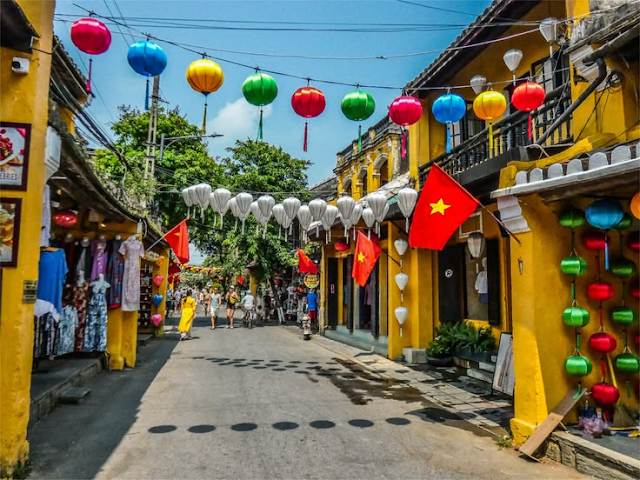
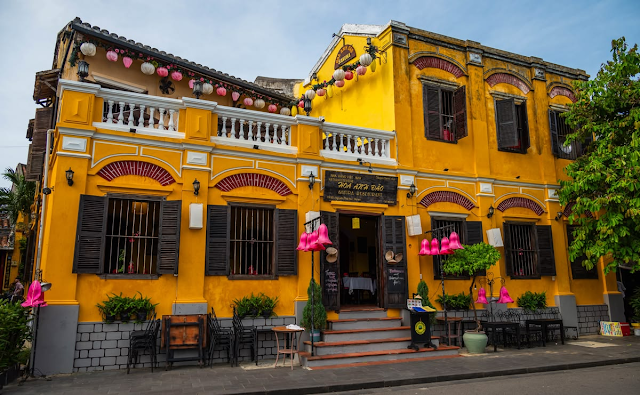
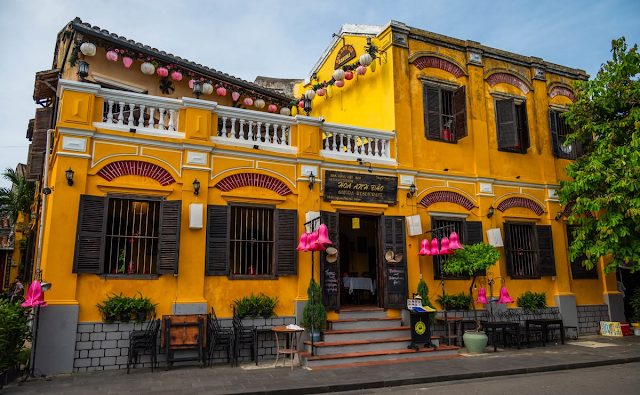
Hoi An Ancient Town is the perfect place to begin your photography journey. Its warm yellow walls, traditional wooden doors, tiled roofs, and narrow streets create a distinctive atmosphere that is difficult to find anywhere else.
As you wander through the historic streets, you will discover old merchant houses, colorful shopfronts, hanging lanterns, and charming architectural details that make beautiful photographic backgrounds.
Best time to take photos: Early morning, when the streets are quieter and the natural light is soft.
Photography tip: Wear white, beige, pastel, or other contrasting colors to stand out against the golden-yellow walls. Try framing your portrait with an old doorway or a weathered wall for a timeless look.
If you only have time to visit one photography destination in Hoi An, the Ancient Town should be at the top of your list.
2. Japanese Covered Bridge – A Historic Landmark
The Japanese Covered Bridge, locally known as Chua Cau, is one of Hoi An's most recognizable landmarks. Its traditional covered roof and historic architecture reflect the cultural connections that helped shape this former trading port.
The bridge is particularly appealing to photographers who appreciate history, traditional craftsmanship, and architectural details. You can capture its curved roof, wooden structure, and surrounding streets from different angles.
Best time to take photos: Early morning or late afternoon, when the light is softer and visitor numbers may be lower.
Photography tip: Instead of taking only a straight-on photograph, look for a wider composition that includes nearby buildings and the surrounding canal. Always respect access restrictions and avoid blocking pedestrian traffic.
Because this is a popular attraction, arriving early can help you capture a more peaceful scene.
3. Lantern Streets – Colorful Scenes After Sunset
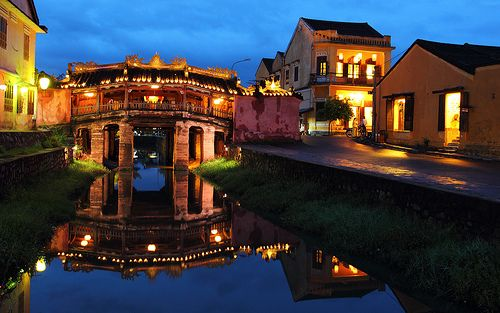
Hoi An becomes especially magical after dark, when colorful lanterns illuminate its historic streets. Red, yellow, orange, and multicolored lanterns create a warm atmosphere that makes evening photography one of the highlights of visiting the town.
The lantern displays provide beautiful backgrounds for portraits, travel photographs, and street photography. The contrast between the warm lights and the traditional architecture gives your pictures a distinctive Hoi An character.
Best time to take photos: Around dusk and after sunset, when the lanterns glow against the evening sky.
Photography tip: Use a nearby lantern as a foreground element to create depth. If you are taking portraits, avoid placing a bright light directly behind your subject unless you want a silhouette effect.
The monthly lantern festival, held around the full moon according to the lunar calendar, can offer an especially atmospheric experience. However, the town's lantern-lit streets are worth photographing on ordinary evenings, too.
4. Hoai River – Romantic Riverside Photography
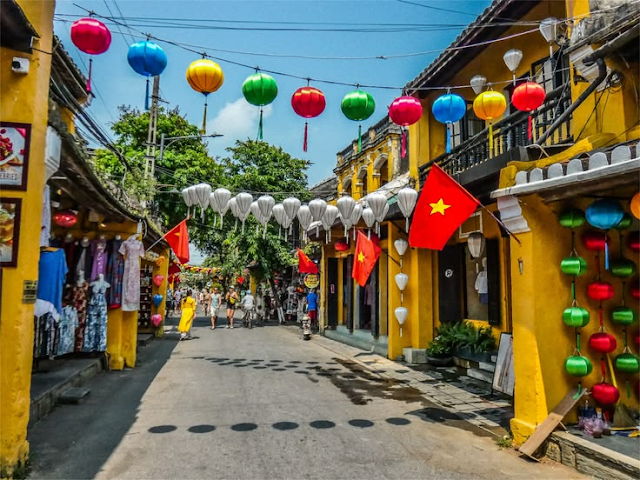
The Hoai River, a branch of the Thu Bon River, adds another layer of beauty to Hoi An's historic center. Traditional boats, colorful lantern reflections, and riverside buildings create a peaceful setting for memorable photographs.
During the day, you can capture the movement of boats and the daily rhythm of riverside life. In the evening, the reflections of lanterns on the water create a more romantic atmosphere.
Best time to take photos: Late afternoon, sunset, and early evening.
Photography tip: Stand along the riverbank and include both the water and the illuminated buildings in your composition. Reflections can help balance the frame and create a sense of depth.
You can also photograph the river from a boat if you choose to take a ride. Follow the boat operator's safety instructions and keep your camera secure.
For couples and travelers who love atmospheric destinations, the Hoai River is one of the most memorable photo spots in Hoi An.
5. Tan Ky Old House – Traditional Architecture and Timeless Beauty
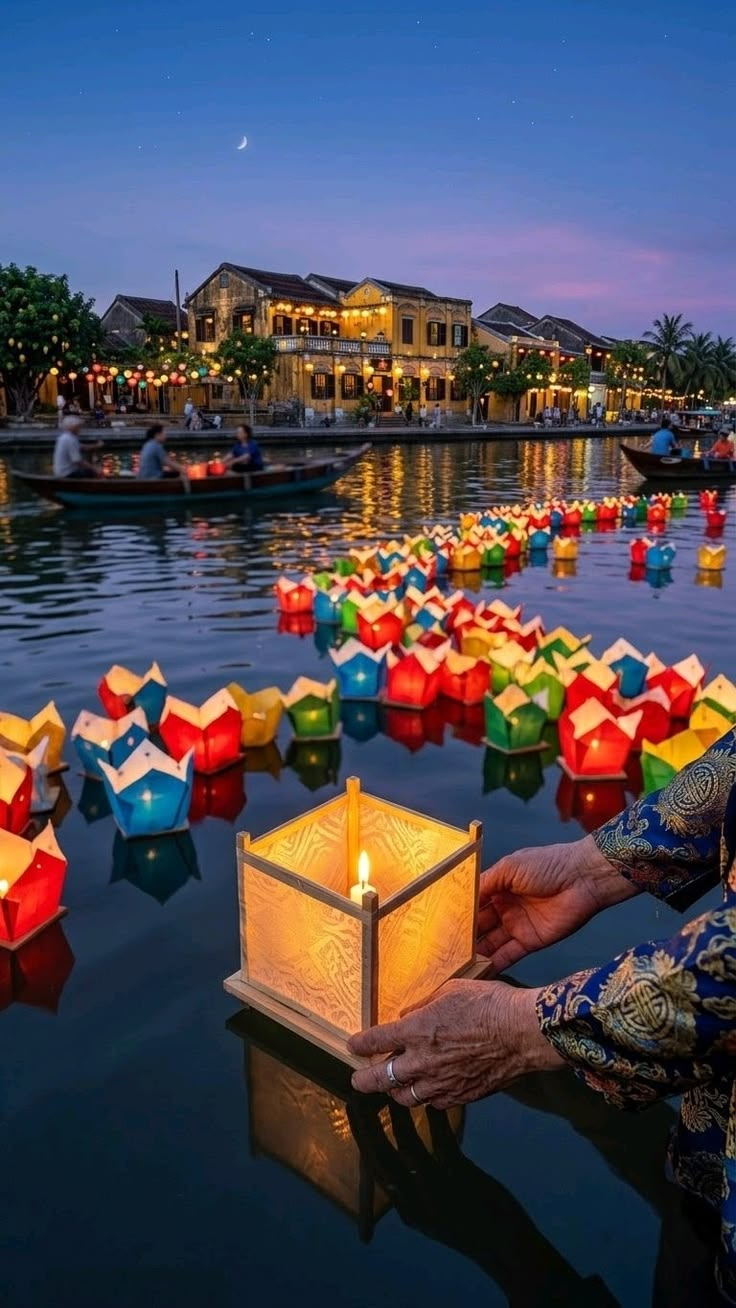
Tan Ky Old House is an excellent destination for travelers who want to explore the architectural heritage of Hoi An. This historic merchant house features traditional wooden elements, carefully preserved interiors, and decorative details that reflect the town's history as a trading center.
Unlike outdoor street scenes, the old house offers opportunities to photograph traditional interiors, wooden beams, furniture, and architectural craftsmanship.
Best time to take photos: During the day, subject to the property's opening hours and photography rules.
Photography tip: Focus on details rather than trying to capture everything in one frame. Wooden columns, carved decorations, doorways, and patterns of natural light can create elegant photographs.
Remember that Tan Ky Old House is a heritage property. Follow staff instructions, respect restricted areas, and ask permission before photographing residents or other visitors.
This location is especially suitable for architecture lovers and anyone interested in the cultural history behind Hoi An's beauty.
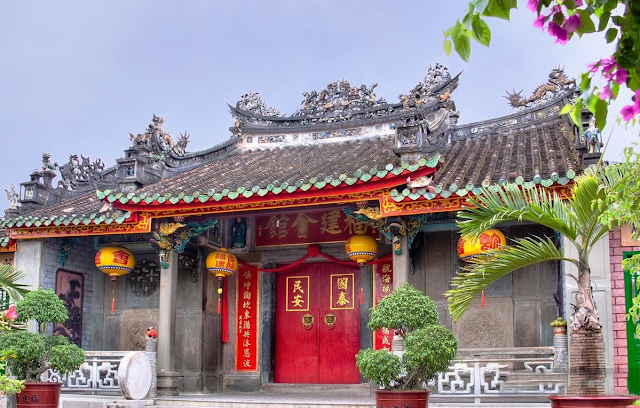
6. Fujian Assembly Hall – Intricate Details and Traditional Colors
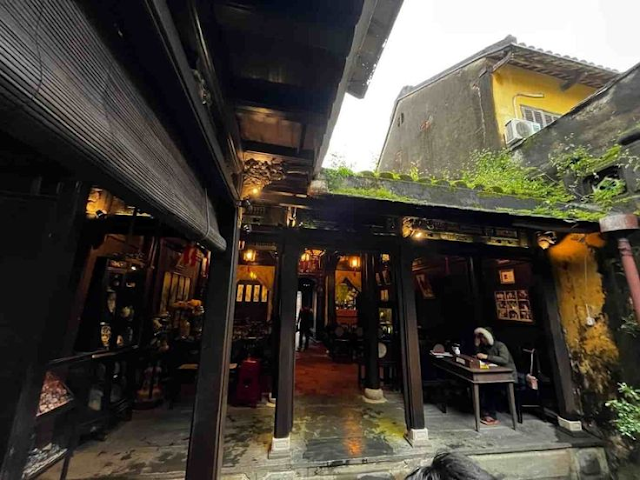
The Fujian Assembly Hall, also known as Phuc Kien Assembly Hall, is one of the most visually striking heritage sites in Hoi An. Its traditional gates, decorative motifs, courtyards, and colorful architectural details offer plenty of inspiration for photography.
The combination of red, gold, green, and other traditional colors makes this location particularly attractive for travelers interested in cultural photography.
Best time to take photos: Morning or late afternoon, when the light can bring out architectural textures and colors.
Photography tip: Capture the entrance symmetrically for a balanced composition, then take closer photographs of the decorative details. A wide-angle view can help show the scale of the courtyard and its traditional architecture.
As this is a cultural and religious heritage site, dress respectfully and follow any photography restrictions. Avoid disturbing people who are praying or participating in ceremonies.
If you enjoy discovering the stories behind historic buildings, the Fujian Assembly Hall deserves a place on your Hoi An photography itinerary.
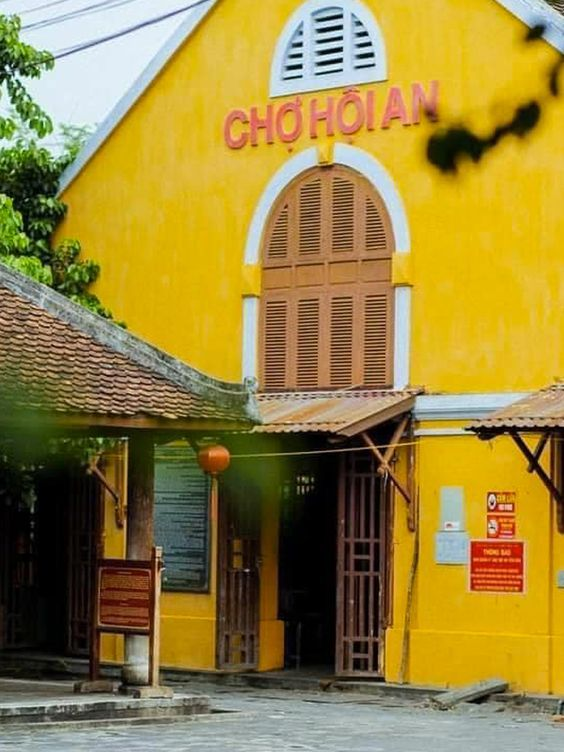
7. Hoi An Central Market – Everyday Life and Local Colors
For a different perspective on Hoi An, visit the Central Market. Instead of focusing only on historic architecture, this location allows you to photograph the everyday activities that bring the town to life.
Fresh produce, tropical fruits, local ingredients, food stalls, and colorful market displays create a lively environment for street photography. It is also an opportunity to capture details of Vietnamese food culture.
Best time to take photos: Early morning, when market activity is often at its busiest.
Photography tip: Look for interesting combinations of colors, textures, and natural light. Close-up photographs of fruit, ingredients, and market displays can be just as compelling as wider street scenes.
Always be considerate when photographing vendors and shoppers. Ask permission before taking close-up portraits, especially when people are working.
The market is a reminder that Hoi An is not simply a beautiful tourist destination; it is also a living community with its own daily rhythms and traditions.
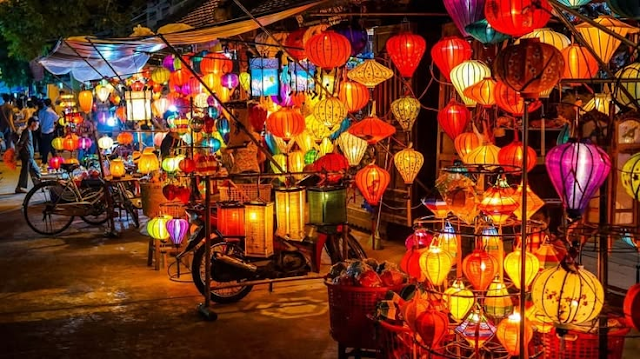
8. An Hoi Night Market and Lantern Bridge – A Lively Evening Backdrop
Across the river from much of the Ancient Town, An Hoi Island offers a lively evening atmosphere, with market stalls, lantern displays, and colorful riverside scenes.
The lantern bridge and surrounding streets are popular settings for travel portraits. After sunset, the warm lights and reflections can make your photographs feel vibrant and cinematic.
Best time to take photos: After sunset, when the lanterns and market lights are illuminated.
Photography tip: Try photographing the bridge from a little farther away to include the river and surrounding buildings. For portraits, look for a quieter corner with lanterns in the background rather than standing in the busiest part of the market.
This area can become crowded in the evening, so keep your belongings secure and be patient when waiting for a clear composition.
If you enjoy colorful night photography, An Hoi is a great place to capture another side of Hoi An.
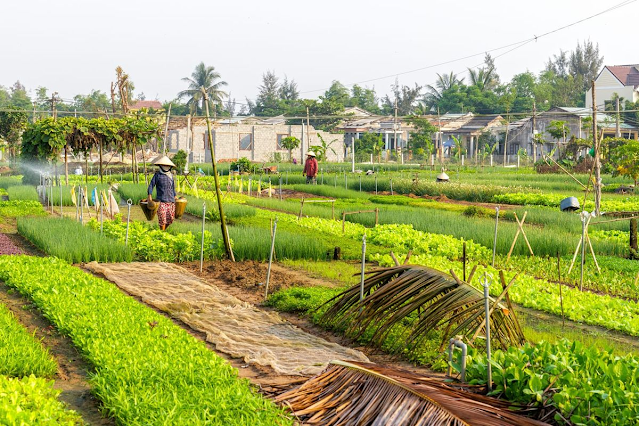
9. Tra Que Vegetable Village – Peaceful Green Landscapes
If you want a break from the busy streets of the Ancient Town, head to Tra Que Vegetable Village. Located outside the historic center, this traditional farming area offers a greener and more peaceful setting for photography.
Vegetable gardens, narrow paths, farming tools, and traditional agricultural activities create a different atmosphere from the town's yellow buildings and lantern-lit streets.
Best time to take photos: Early morning, when the light is gentle and farming activities may be underway.
Photography tip: Use the rows of vegetables as leading lines to draw attention into the photograph. Natural greens, earthy paths, and simple rural scenes work well for lifestyle and travel photography.
If you want to include people in your photographs, ask permission before taking close-up portraits of farmers or their families.
Tra Que is an excellent choice for travelers who appreciate rural landscapes, local culture, and quieter moments away from the main tourist areas.
10. An Bang Beach – Beautiful Coastal Views
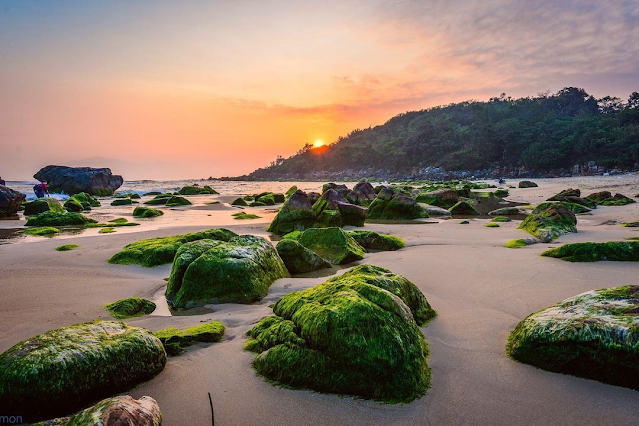
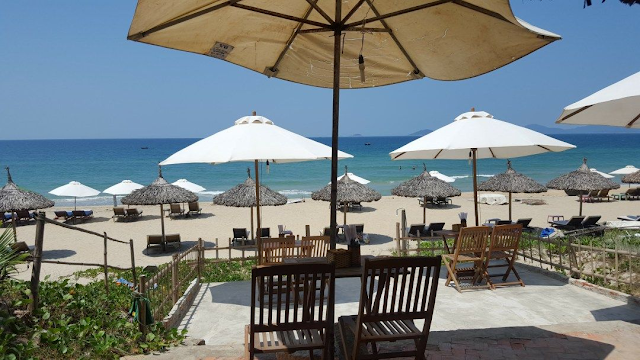
Hoi An is not only about ancient houses and lanterns. A short trip from the historic center brings you to An Bang Beach, where open skies, sandy shores, and the sea provide a completely different photography experience.
The beach is ideal for relaxed travel portraits, romantic couple photographs, and natural landscape images. It also offers a refreshing contrast to the warm colors and traditional architecture of the Old Town.
Best time to take photos: Early morning for soft light and a peaceful atmosphere, or late afternoon for warm coastal scenery.
Photography tip: Keep your composition simple by including the shoreline, open sky, and a single subject. For couple photographs, walking along the water can create natural-looking poses without making the pictures feel overly staged.
Check the weather and sea conditions before visiting, especially during periods of rough seas. Respect local beach rules and avoid leaving litter behind.
An Bang Beach is a wonderful final stop for anyone who wants to experience the coastal side of Hoi An.
Best Time to Take Photos in Hoi An
Choosing the right time of day can make a noticeable difference to your photographs. Here are a few suggestions to help you plan your photography trip.
Early morning: The streets of the Ancient Town are often quieter, making it easier to photograph yellow walls, historic architecture, and traditional doorways without large crowds.
Late afternoon: Softer sunlight can create attractive shadows and warm tones around historic buildings. It is also a good time to photograph riverside scenes before sunset.
After sunset: Lantern-lit streets, the Hoai River, and An Hoi Night Market become excellent settings for evening photography.
Full-moon evenings: The monthly lantern festival can provide a special atmosphere, although popular locations may be busier than usual.
Hoi An can experience heavy rain and flooding during parts of the rainy season. Before your visit, check the local weather forecast and any official travel advisories. If you plan to take outdoor photographs, keep a flexible schedule in case conditions change.
Photography Tips for Capturing the Beauty of Hoi An
You do not need expensive camera equipment to take beautiful photos in Hoi An. A smartphone can produce excellent results when you pay attention to light, composition, and timing.
Here are a few practical tips:
- Arrive early: Visit popular locations before the busiest hours whenever possible.
- Use natural light: Soft morning and late-afternoon light can help preserve details and create pleasing colors.
- Experiment with composition: Try framing your subject through doorways, including reflections, or using streets and garden rows as leading lines.
- Choose suitable clothing: Neutral colors and simple outfits can complement Hoi An's architecture without distracting from the background.
- Take both wide and close-up shots: Capture the overall scene, then photograph smaller details such as lanterns, wooden doors, and decorative patterns.
- Respect local people and heritage: Ask permission before taking close-up portraits and follow the rules at historic sites.
- Protect your equipment: Carry a protective case or waterproof bag if rain is possible, and be careful around the river and beach.
The most memorable photographs often come from slowing down, observing your surroundings, and capturing small details rather than rushing from one attraction to another.
Frequently Asked Questions About Photo Spots in Hoi An
What are the best places to take photos in Hoi An?
Some of the best photo spots in Hoi An include the Ancient Town's yellow walls, the Japanese Covered Bridge, lantern-lit streets, the Hoai River, Tan Ky Old House, Fujian Assembly Hall, An Hoi Night Market, Tra Que Vegetable Village, and An Bang Beach.
What is the best time of day for photography in Hoi An?
Early morning is ideal for quieter streets and architectural photography. Late afternoon offers softer light, while the evening is best for capturing colorful lanterns and riverside reflections.
Is Hoi An good for Instagram photos?
Yes. Hoi An offers a wide variety of backdrops, including historic buildings, colorful lanterns, traditional markets, peaceful gardens, and beaches. These locations suit travel portraits, couple photography, street photography, and landscape images.
Can I take photos inside Hoi An's old houses?
Photography rules vary by property and may change. Check the rules at the entrance, follow staff instructions, and ask permission before photographing people or restricted areas.
How many days do I need to explore Hoi An's photo spots?
One full day can be enough to visit several locations in the Ancient Town and capture its evening atmosphere. Two or three days provide more flexibility to explore the surrounding countryside, visit An Bang Beach, and photograph the town at different times.
Final Thoughts
Hoi An is a destination that rewards travelers who take the time to explore. From the timeless yellow walls of the Ancient Town to the glowing lanterns along the river and the peaceful landscapes of Tra Que, every location offers a different way to experience the beauty of central Vietnam.
These 10 best photo spots in Hoi An are more than just places to take pictures. They are opportunities to discover local culture, appreciate historic architecture, enjoy the natural scenery, and create memories that stay with you long after your trip.
Whether you visit for a weekend or stay a little longer, Hoi An may leave you with more photographs than you expected—and a reason to return again.
Have you visited Hoi An? Which photo spot would you love to explore first? Share your favorite places and travel experiences in the comments below.