
Da Nang is one of Vietnam's most appealing destinations for travelers who want to combine beautiful beaches, dramatic mountain scenery, local food, modern city life, and easy access to historic towns. Located on Vietnam's central coast, this coastal city offers a convenient starting point for exploring Central Vietnam while providing plenty of experiences of its own.
Whether you are planning your first visit, a relaxing beach holiday, a family vacation, or a longer journey through Vietnam, this Da Nang travel guide covers the essentials you need to plan your trip. Discover the best time to visit, top attractions, local dishes, transportation options, accommodation areas, and practical tips to help you make the most of your stay
1. Where Is Da Nang, Vietnam?
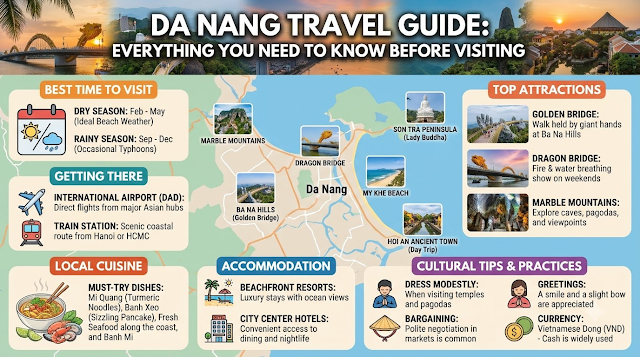
Da Nang is a coastal city in Central Vietnam, situated between Hue to the north and the Hoi An area to the south. Its location makes it a convenient base for exploring beaches, mountains, cultural attractions, and historic destinations across the region.
The city is served by Da Nang International Airport, which has domestic and international connections. Travelers can also reach Da Nang by train, long-distance bus, or private car from other Vietnamese destinations.
What makes Da Nang particularly appealing is its variety. You can spend the morning swimming at the beach, explore caves and pagodas in the afternoon, and enjoy Vietnamese street food or riverside dining in the evening.
Da Nang is suitable for several types of travelers, including:
- Beach lovers looking for a coastal holiday.
- Couples seeking scenic places, restaurants, and relaxing experiences.
- Families wanting a mixture of outdoor activities and convenient city facilities.
- Food enthusiasts interested in Central Vietnamese cuisine.
- Travelers using Da Nang as a base for visiting Hoi An, Hue, and other regional attractions.
2. What Is the Best Time to Visit Da Nang?
Da Nang has a tropical monsoon climate, with a generally drier period and a wetter period. Weather conditions can vary from year to year, so consider your preferred activities rather than relying on the calendar alone.
February to May: A Good Time for Sightseeing
Late winter and spring are often attractive periods for visiting Da Nang. Temperatures become warmer, and conditions are generally suitable for exploring the city, visiting cultural sites, and enjoying outdoor activities.
This period is worth considering if you want to combine sightseeing with beach time without the most intense summer heat.
June to August: Beach Season and Summer Heat
Summer is popular with beachgoers. My Khe Beach and other coastal areas become appealing places for swimming, sunbathing, and enjoying seaside restaurants.
However, temperatures can be high, and humidity may make midday sightseeing uncomfortable. Schedule outdoor activities early in the morning or later in the afternoon, and drink plenty of water.
September to December: Rain and Potential Storms
The wetter part of the year can bring prolonged rain, rough seas, tropical storms, and flooding in parts of Central Vietnam. October and November deserve particular attention when planning trips that include Hoi An.
Travel during this period is still possible, but flexibility is important. Monitor weather forecasts, check transport arrangements, and avoid coastal or mountain activities when conditions are unsafe.
Travel tip: For a balanced combination of sightseeing, beaches, and day trips, consider February to May. If beach activities are your priority, the warmer months may suit you better, provided you are comfortable with the heat.

3. Best Things to Do in Da Nang
Da Nang offers a mix of natural scenery, cultural attractions, city landmarks, and relaxing experiences. You do not need to visit every attraction to enjoy the destination; choose the places that best match your interests and available time.
Relax at My Khe Beach
My Khe Beach is one of Da Nang's best-known coastal attractions. Its long sandy shoreline is popular for swimming in suitable conditions, walking, and enjoying the sea breeze.
Early morning is a particularly pleasant time to visit, when local residents exercise along the beach and the temperatures are usually more comfortable. Beachfront cafes and seafood restaurants provide convenient options for relaxing after time by the water.
Always follow local swimming flags and lifeguard instructions, especially when waves or currents are strong.
Explore the Marble Mountains
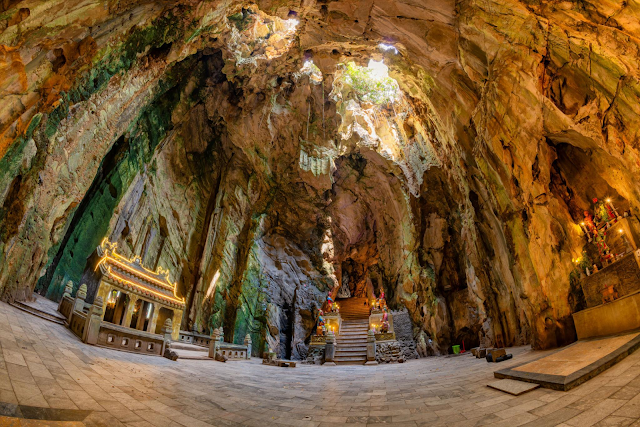
The Marble Mountains, known locally as Ngu Hanh Son, are a group of five limestone and marble hills south of central Da Nang. The area is known for caves, Buddhist sanctuaries, pagodas, and viewpoints overlooking the surrounding landscape.
Thuy Son is the best-known mountain for visitors exploring the site. Expect stairs, uneven surfaces, and some steep sections, depending on the route you choose.
Wear comfortable shoes, bring drinking water, and allow enough time to explore without rushing. Visitors with limited mobility should check current access arrangements before going.
Visit Son Tra Peninsula and Linh Ung Pagoda
Son Tra Peninsula offers forested hills, coastal viewpoints, and a quieter natural setting away from the busiest parts of the city.
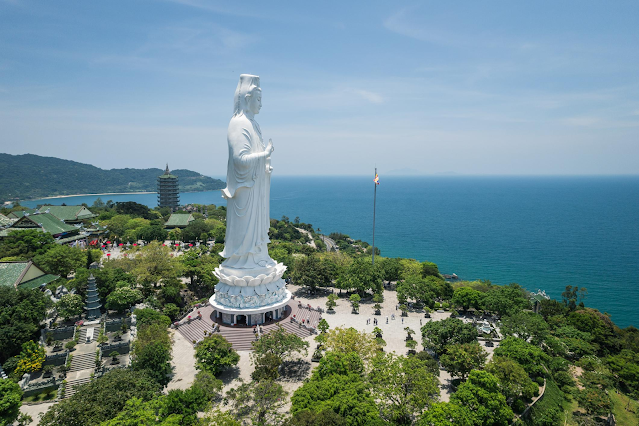
Linh Ung Pagoda is a major attraction here, particularly known for its large Lady Buddha statue overlooking the sea. The surrounding area is also associated with the endangered red-shanked douc langur.
If you encounter wildlife, observe from a respectful distance and never feed or chase animals. Check local access and road conditions before setting out, particularly during bad weather.
See Dragon Bridge and the Han River
Dragon Bridge is one of Da Nang's most recognizable landmarks. The bridge crosses the Han River and is especially striking after dark, when the surrounding city lights create an attractive riverside setting.
Walk along the waterfront, enjoy a meal nearby, or explore the city's evening markets. The dragon's fire-and-water performance is a popular attraction on scheduled evenings, but its timing and operation should be confirmed locally before you plan your night around it.
Spend a Day at Ba Na Hills
Ba Na Hills is a mountain resort complex outside the city, known internationally for the Golden Bridge, which appears to be supported by two enormous stone hands.
The complex also features landscaped areas, gardens, entertainment attractions, and mountain scenery. It can be a full-day excursion, particularly if you want time to explore several areas rather than visiting only the bridge.
Cloud, fog, rain, and changing mountain temperatures can affect the experience. Check operating information and weather conditions before traveling, and bring a light jacket if needed.

Discover Da Nang's Local Markets
Local markets are useful places to explore everyday food culture and shop for regional products. Han Market and Con Market are two established options for visitors interested in local shopping and casual food experiences.
Browse at a relaxed pace, ask prices before buying, and carry small amounts of cash for inexpensive purchases. Markets can be busy, so keep valuables secure and be considerate when photographing vendors.
4. Take a Day Trip to Hoi An
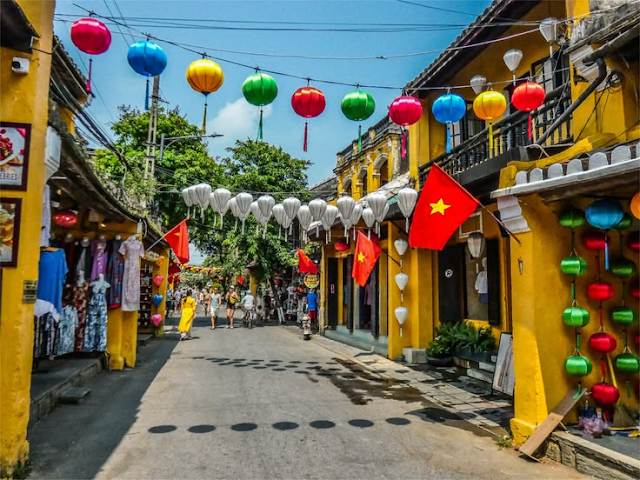
Hoi An is one of the most rewarding destinations to combine with a stay in Da Nang. Its Ancient Town is known for historic merchant houses, traditional architecture, assembly halls, lantern-lit streets, and a long history as a trading port.
Many visitors travel from Da Nang to Hoi An for an afternoon and evening, although spending a night there allows more time to explore at a slower pace.
Things to do in Hoi An include:
- Walking through the historic streets and viewing preserved architecture.
- Exploring local markets and independent craft shops.
- Sampling regional dishes and Vietnamese coffee.
- Enjoying the atmosphere along the Thu Bon River.
- Visiting nearby beaches or countryside areas if time allows.
Hoi An can become crowded in popular areas, particularly in the evening. Arriving earlier gives you more time to explore before the busiest period.
Rain and flooding can affect the Ancient Town during the wetter months. Check local conditions before visiting and follow any safety instructions from local authorities.
If you are interested in both beach relaxation and historic culture, staying in Da Nang and taking a day trip to Hoi An can be a practical option. Alternatively, splitting your accommodation between the two destinations can reduce travel time if you want a more leisurely experience.
5. What Food Should You Try in Da Nang?
Food is an important part of visiting Da Nang. The city's dining scene ranges from inexpensive local eateries and busy markets to seafood restaurants and contemporary cafes.
Start with these Central Vietnamese favorites:
Mi Quang
Mi Quang is a regional noodle dish commonly served with a small amount of flavorful broth, herbs, rice crackers, and a choice of ingredients such as chicken, pork, or shrimp. Recipes vary between restaurants and households.
Bun Cha Ca
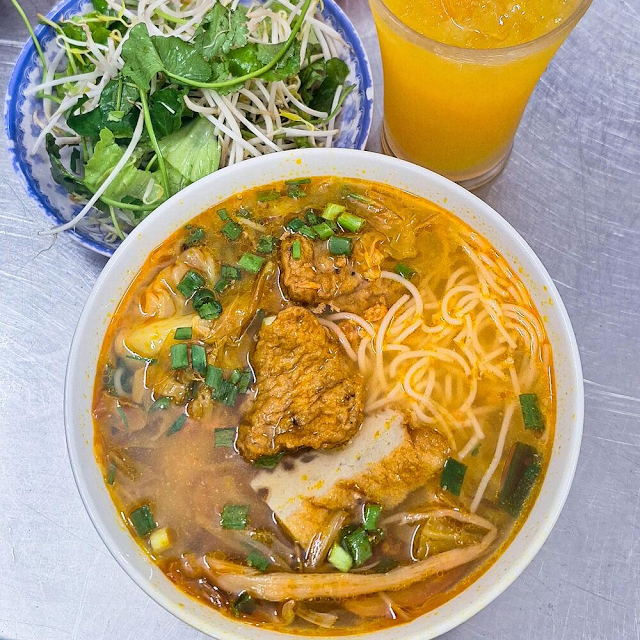
Bun cha ca is a fish-cake noodle soup popular in coastal Central Vietnam. The broth, vegetables, and accompaniments vary, making it worth trying at more than one local restaurant if you enjoy noodle soups.
Banh Trang Cuon Thit Heo
This dish features thin slices of pork served with rice paper, fresh herbs, vegetables, and dipping sauce. You assemble each bite yourself, making it a good choice for travelers who enjoy fresh ingredients and interactive meals.
Fresh Seafood
Da Nang's coastal location makes seafood a natural part of its food scene. Restaurants offer a variety of fish, shellfish, prawns, and other seafood depending on availability.
Ask about prices, portion sizes, and how seafood is charged before ordering, especially when items are priced by weight.
Vietnamese Coffee
Take time to experience Vietnamese coffee at a local cafe. Traditional options include strong coffee served with condensed milk, while many cafes also offer iced coffee and their own variations.
Food tip: Choose busy eateries with good food turnover, use drinking water from sealed bottles or trusted sources, and tell staff about allergies or dietary restrictions. If you avoid meat, fish sauce, or shellfish, explain this clearly because some dishes contain ingredients that are not immediately visible.
6. Where to Stay in Da Nang
The best area to stay depends on whether you prefer the beach, the city center, or a more private holiday setting.
My Khe Beach and the Coastal Area
This area is a strong option for beach lovers, couples, and travelers who want easy access to seaside restaurants and cafes.
Accommodation ranges from budget guesthouses to larger hotels and resorts. It is convenient for beach activities, although reaching some attractions outside the coastal area may require a car or taxi.
The Han River and City Center
Staying around the Han River or central urban areas can make it easier to explore markets, restaurants, shopping streets, and evening attractions.
This area may suit travelers who prioritize local food, city life, and convenient transport connections over being directly beside the sea.
Private Pool Villas and Resort Areas
Travelers seeking more privacy may prefer a villa or resort accommodation outside the busiest central streets. Options around the Non Nuoc coastal area and golf resort developments can appeal to families, groups, and longer-stay visitors.
A private villa can provide separate bedrooms, a living area, and space to spend time together. Before booking, check the actual location, transport costs, pool arrangements, included amenities, and cancellation policy.
Compare accommodation by total cost and location rather than price alone. A cheaper room farther away may require more spending on transport, while a beachfront property may be worth the additional cost if you plan to spend most of your holiday by the sea.
7. How to Get Around Da Nang
Getting around Da Nang is relatively straightforward once you choose the transport option that suits your route.
From Da Nang International Airport
The airport is close to the urban center, making arrival and departure transfers convenient for many visitors.
Common options include taxis, app-based ride-hailing services where available, and pre-arranged private transfers. Confirm the destination and estimated fare before departure, and check the pickup instructions for your chosen service.
If you arrive late at night or travel with children and several suitcases, arranging a transfer in advance may make the journey easier.
Taxis and Ride-Hailing Services
Taxis and ride-hailing services are practical for restaurants, shopping, beaches, and many attractions around the city.
Check the destination carefully before confirming a trip. For journeys outside the city center, agree on the arrangement and return transport in advance if necessary.
Renting a Motorbike
Motorbikes are common in Vietnam, but riding in unfamiliar traffic is not suitable for every visitor.
If you plan to ride, confirm that your driving licence and any required international driving permit are legally valid in Vietnam for the vehicle category. Wear a helmet, check insurance conditions, and avoid riding in heavy rain or on unfamiliar mountain roads if you lack experience.
For many international travelers, a taxi or private car is the simpler option for sightseeing.
Traveling to Hoi An or Hue
Private cars, taxis, buses, and other transport services connect Da Nang with nearby destinations, depending on the route and provider.
A private car can be convenient for families or travelers visiting several places in one day. Public transport may cost less but can require more planning around departure points and schedules.
Verify current travel times and fares before your journey, as traffic and weather can affect the trip.
8. How Many Days Should You Spend in Da Nang?
The right length of stay depends on your interests and whether you plan to visit nearby destinations.
Two Days: A Short City Break
With two days, focus on the city's main highlights. Spend time at My Khe Beach, visit the Marble Mountains, and explore the Han River area in the evening.
Choose one additional attraction based on your interests rather than trying to fit everything into a tight schedule.
Three Days: A Balanced First Visit
Three days provide a more comfortable introduction to Da Nang.
- Day 1: Visit the Marble Mountains, enjoy the beach, and explore the Han River area.
- Day 2: Explore Son Tra Peninsula and Linh Ung Pagoda, then enjoy local food and the evening city atmosphere.
- Day 3: Take a day trip to Hoi An or spend the day at Ba Na Hills.
Hoi An and Ba Na Hills are different experiences, so choose according to your preferences. Hoi An focuses on historic architecture and local culture, while Ba Na Hills offers a mountain resort and entertainment complex.
Four to Five Days: A More Relaxed Holiday
With four or five days, you can combine sightseeing with time to relax. Consider visiting Hoi An, spending a beach day, exploring local markets, and leaving room for unexpected weather changes.
If you want to visit both Hoi An and Ba Na Hills, additional time will make the itinerary less rushed.

9. Practical Da Nang Travel Tips
A little preparation can make your visit more comfortable.
- Pack for the season: Bring sun protection and light clothing in warmer months. During the rainy season, carry a compact umbrella or waterproof jacket.
- Stay hydrated: Heat and humidity can make walking and sightseeing tiring.
- Carry some Vietnamese dong: Cash is useful at markets, small eateries, and some local businesses, even when card payments are available elsewhere.
- Dress respectfully: Wear appropriate clothing when visiting pagodas and religious sites, and follow posted rules.
- Check beach conditions: Do not assume the sea is safe for swimming just because the weather looks sunny.
- Plan around weather: Leave flexibility in your itinerary if visiting during the rainy season.
- Protect your belongings: Keep valuables secure in busy markets and crowded tourist areas.
- Confirm opening hours: Check current schedules, ticket arrangements, and access restrictions before visiting individual attractions.
- Respect local communities: Ask before photographing people, avoid littering, and follow conservation guidance in natural areas.
- Review travel requirements: Check current entry, visa, and insurance requirements relevant to your nationality before departure.
10. Frequently Asked Questions About Visiting Da Nang
Is Da Nang worth visiting?
Yes, Da Nang can be an excellent choice for travelers who want a combination of beaches, mountains, Vietnamese cuisine, urban conveniences, and access to cultural destinations. It can work for a short city break or a longer Central Vietnam itinerary.
What is the best month to visit Da Nang?
February to May is often a good period for combining sightseeing and outdoor activities. June to August is attractive for beach holidays but can be very hot. Rainfall and storm risks increase during the wetter part of the year, so check the forecast for your travel dates.
How many days are enough for Da Nang?
Three days is a useful starting point for a first visit. It allows time for several major attractions and either a Hoi An excursion or another full-day activity. Four to five days provide more flexibility for beaches and a slower pace.
Can you visit Hoi An from Da Nang in one day?
Yes. Many travelers visit Hoi An on a day trip from Da Nang. You can explore the Ancient Town, sample local food, and enjoy the riverside atmosphere before returning. Staying overnight is another option if you prefer more time there.
Is Da Nang suitable for families?
Da Nang can suit families because it offers beaches, a range of accommodation, restaurants, and attractions for different ages. Choose activities according to children's ages, supervise them around water and traffic, and check accessibility before booking excursions.
Conclusion: Plan Your Da Nang Trip with Confidence
Da Nang combines a relaxed coastal atmosphere with the convenience of a modern city and easy access to some of Central Vietnam's best-known attractions. From My Khe Beach and the Marble Mountains to Son Tra Peninsula, local markets, and nearby Hoi An, there are plenty of ways to shape a trip around your interests.
For a first visit, consider traveling between February and May, allowing around three days for the main highlights, and choosing accommodation based on whether you prefer the beach, city life, or a private villa.
Most importantly, plan around the season, leave room for local discoveries, and confirm important travel details before departure. With a little preparation, Da Nang can be a rewarding starting point for exploring Central Vietnam.