
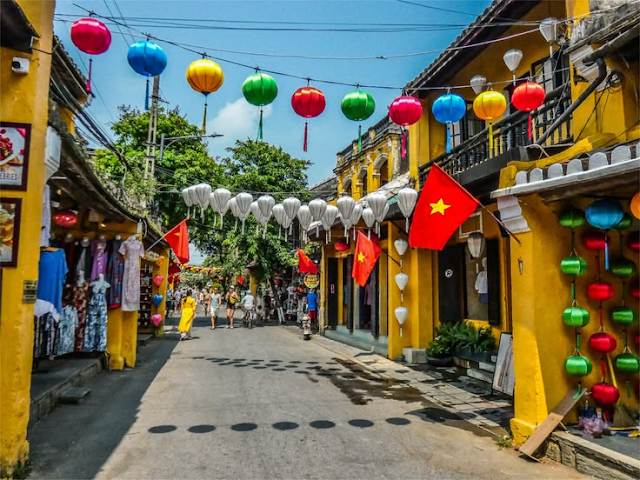
Planning a trip to Central Vietnam and wondering whether to visit Da Nang or Hoi An? Although these two destinations are close to each other, they offer very different travel experiences. Da Nang is known for its sandy beaches, modern city life, seafood restaurants, and convenient access to regional attractions. Hoi An, on the other hand, attracts visitors with its historic architecture, lantern-lit streets, traditional crafts, and relaxed atmosphere.

So, which destination is better for your Vietnam trip?
The answer depends on your travel style, budget, interests, and the amount of time you have. In this guide, we compare Da Nang vs Hoi An to help you choose where to stay, what to do, and how to enjoy both destinations in one memorable journey.
Da Nang vs Hoi An: A Quick Comparison
If you prefer beaches, modern conveniences, and a wide variety of activities, Da Nang is likely to suit you better. If you enjoy cultural experiences, historic streets, boutique accommodation, and peaceful evenings, Hoi An may be your ideal destination.
1. Overall Atmosphere
Da Nang is a vibrant coastal city that combines modern infrastructure with stunning natural landscapes. Visitors can enjoy beautiful beaches, contemporary cafés, shopping centers, and a lively urban atmosphere.
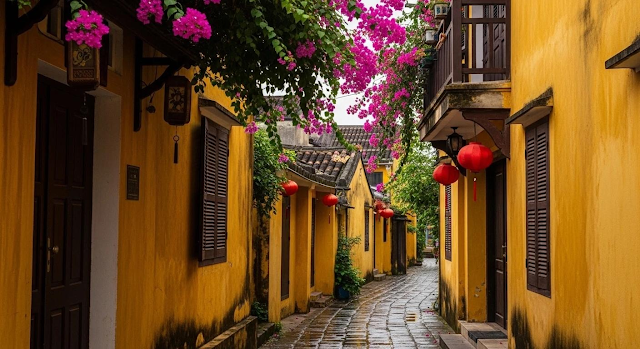
Hoi An, on the other hand, offers a more relaxed and nostalgic experience. Its yellow historic buildings, narrow streets, colorful lanterns, and traditional architecture create a charming atmosphere that invites visitors to slow down and explore.
2. Best Travel Experiences
Da Nang is ideal for travelers who enjoy beach holidays, city exploration, outdoor adventures, and a wide variety of dining and entertainment options. It is also a convenient base for exploring the surrounding attractions of Central Vietnam.
Hoi An is perfect for travelers interested in Vietnamese culture, historical landmarks, traditional crafts, local cuisine, and leisurely walks through a well-preserved ancient town.
3. Beaches and Coastal Experiences
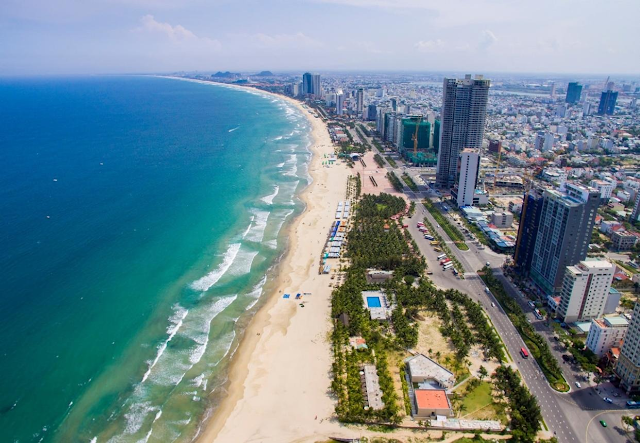
Da Nang boasts an extensive coastline with beautiful sandy beaches, including My Khe Beach and Non Nuoc Beach. Visitors can enjoy swimming, sunbathing, water sports, and relaxing at beachfront resorts.
Hoi An also offers wonderful coastal experiences, particularly at An Bang Beach and Cua Dai Beach. These areas are ideal for enjoying a peaceful seaside atmosphere, beachside dining, and relaxing afternoons away from the busy town center.
4. Culture and History
Da Nang offers a variety of cultural and historical attractions, including the Marble Mountains, museums, pagodas, and notable landmarks such as the Dragon Bridge. The city provides an interesting mix of traditional Vietnamese heritage and modern development.
Hoi An is famous for its UNESCO-listed Ancient Town, featuring historic merchant houses, traditional assembly halls, Japanese Covered Bridge, and streets lined with heritage buildings. Visitors can also discover local handicrafts, lantern-making workshops, and traditional Vietnamese cuisine.
5. Nightlife and Evening Activities
Da Nang offers a lively nightlife scene with rooftop bars, cafés, restaurants, night markets, and entertainment along the Han River. Visitors can enjoy the city's illuminated bridges and explore its vibrant dining scene after sunset.
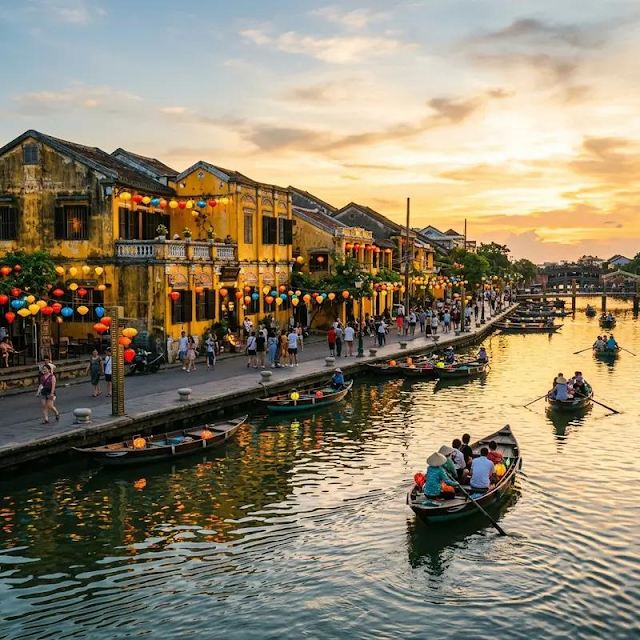
Hoi An provides a more intimate evening experience. The Ancient Town becomes especially enchanting at night, when colorful lanterns illuminate the streets and reflect across the Thu Bon River. Riverside restaurants, night markets, and peaceful evening walks make it a memorable destination for couples, families, and culture enthusiasts.
6. Accommodation Options
Da Nang offers a broad selection of accommodation, ranging from budget-friendly hotels and serviced apartments to luxury beachfront resorts and private pool villas. Travelers seeking privacy and comfort can also choose spacious villas with gardens, swimming pools, and golf course views.
Hoi An is known for its boutique hotels, traditional homestays, riverside retreats, and private villas. Many properties feature peaceful gardens, swimming pools, and convenient access to the Ancient Town or nearby beaches.
7. Getting Around
Getting around Da Nang is convenient, with taxis, ride-hailing services, motorbikes, and other transportation options readily available. These make it easy to visit beaches, restaurants, shopping areas, and attractions throughout the city.
In Hoi An, walking and cycling are popular ways to explore the Ancient Town and surrounding countryside. Taxis and private transfers are useful for reaching nearby beaches, villages, and attractions outside the historic center.
8. Airport Access
Da Nang is home to Da Nang International Airport, making it a convenient entry point for domestic and international travelers visiting Central Vietnam.
Hoi An does not have its own commercial airport. Most visitors arrive through Da Nang International Airport and continue by road, with the journey typically taking around 45–60 minutes, depending on traffic and the exact destination.
9. How Long Should You Stay?
For Da Nang, around 2–4 nights is a good starting point for enjoying the beaches, exploring popular attractions, discovering local restaurants, and experiencing the city's atmosphere.
For Hoi An, around 1–3 nights is generally suitable for exploring the Ancient Town, sampling local specialties, visiting nearby beaches, and enjoying the lantern-lit evenings.
If you have enough time, combining both destinations is an excellent way to experience the diversity of Central Vietnam.
These are general recommendations rather than strict rules. Your ideal base also depends on your accommodation location, travel dates, and planned activities.
1. Why Choose Da Nang?
Da Nang is a great choice for travelers who want a combination of beach relaxation, city conveniences, local food, and outdoor adventures. It offers a more urban experience than Hoi An, with a long coastline, modern hotels, busy markets, cafés, and attractions spread across the city and surrounding landscape.
Beautiful beaches and beachfront accommodation
One of Da Nang's biggest attractions is its coastline. My Khe Beach is particularly popular with visitors who want to spend time swimming when conditions are suitable, walking along the sand, enjoying the sea breeze, or relaxing at a beachfront café.
The My An and An Thuong areas are also worth considering if you want to combine beach time with easy access to restaurants, coffee shops, and casual dining.
Travelers looking for a more resort-oriented holiday can explore accommodation around the Non Nuoc coastline. Depending on the property, options include beachfront resorts, swimming pools, spa facilities, and spacious rooms.
A wider variety of attractions
Da Nang offers plenty to explore beyond the beach.
- Marble Mountains: A cluster of limestone and marble hills featuring caves, pagodas, and viewpoints.
- Son Tra Peninsula: A scenic area with coastal roads, forested landscapes, and the famous Lady Buddha statue at Linh Ung Pagoda.
- Dragon Bridge: A recognizable city landmark that becomes especially attractive when illuminated at night.
- Han Market: A place to explore local products, snacks, clothing, and everyday Vietnamese shopping.
- Ba Na Hills: A mountain resort complex known for the Golden Bridge and its distinctive elevated setting.
These attractions provide a mixture of culture, nature, sightseeing, and entertainment. However, they are spread across different areas, so it is worth grouping nearby stops together when planning your itinerary.
A convenient base for exploring Central Vietnam
Da Nang is particularly practical for first-time visitors because it has an international airport and established transport connections.
From the city, you can plan excursions to Hoi An, Hai Van Pass, and other destinations in Central Vietnam. This makes Da Nang a useful base if you want to see several places without spending every day in the same neighborhood.
Choose Da Nang if you want: beach access, a larger selection of hotels, convenient transport, diverse attractions, and a lively coastal city.

2. Why Choose Hoi An?
Hoi An offers a different kind of experience. Instead of a large modern city, you will find a historic town where traditional buildings, narrow streets, riverside scenery, small shops, and local food create a distinctive atmosphere.
The Ancient Town is recognized as a UNESCO World Heritage Site because of its exceptionally well-preserved historic trading-port character and the cultural influences reflected in its architecture.
Explore Hoi An Ancient Town
The Ancient Town is the heart of the Hoi An experience. You can spend hours walking through its streets, admiring old merchant houses, visiting historic buildings, browsing craft shops, and stopping at cafés.
The Japanese Covered Bridge is one of the town's best-known landmarks. Traditional assembly halls and historic houses also offer insight into Hoi An's trading history and the different cultural influences that shaped the town.
Unlike Da Nang, where many attractions require transportation between neighborhoods, much of central Hoi An can be explored on foot.
For the most comfortable sightseeing experience, consider visiting early in the morning before the busiest hours. You can return later in the day to enjoy the town's evening atmosphere.
Experience the lantern-lit evenings
Hoi An is particularly appealing after sunset, when illuminated streets, colorful lanterns, riverside restaurants, and historic buildings create a memorable setting.
You can enjoy a relaxed dinner, sample Vietnamese specialties, browse local shops, or take an evening walk along the Thu Bon River.
Lantern displays are part of Hoi An's visual identity throughout the year, although specific celebrations and festival activities vary by date. Check the local calendar if attending a particular event is important to your trip.
Discover local culture and countryside experiences
Hoi An is more than its historic center. The surrounding countryside offers a slower pace of travel, with rice fields, village roads, waterways, and opportunities to learn about traditional food and crafts.
Popular activities include:
- Joining a Vietnamese cooking class.
- Cycling through the countryside.
- Exploring local markets and food stalls.
- Visiting craft workshops and tailoring shops.
- Discovering the rural scenery around Tra Que.
- Exploring the waterways and coconut groves around Cam Thanh.
These experiences make Hoi An especially attractive for travelers who enjoy cultural activities rather than spending the entire holiday sightseeing from a vehicle.
Enjoy a quieter style of accommodation
Hoi An has a varied selection of boutique hotels, homestays, garden properties, and private villas. Some are close to the Ancient Town, while others are located among rice fields or nearer to the coast.
If you prefer a private, relaxed stay, a villa with a garden or swimming pool can be an appealing alternative to a large city hotel.
However, choose your location carefully. Accommodation outside the Ancient Town may require a bicycle, shuttle, taxi, or ride-hailing service to reach the main attractions.
Choose Hoi An if you want: historic surroundings, walkable sightseeing, traditional crafts, countryside activities, boutique stays, and atmospheric evenings.

3. Which Destination Has Better Beaches?
If a beach holiday is your main priority, Da Nang generally has the advantage.
Its coastline offers several areas for swimming when sea conditions are suitable, beach walks, seaside dining, and a broad choice of accommodation. Visitors can easily combine beach time with cafés, shopping, and city sightseeing.
Hoi An also has attractive coastal areas, particularly An Bang Beach, which offers a more relaxed beach-community atmosphere near the historic town.
The main difference is the overall setting.
- Choose Da Nang for a beach-focused holiday with extensive hotel choices, city conveniences, and a greater variety of beachfront facilities.
- Choose Hoi An's coastal area for a slower stay that combines beach time with countryside experiences and visits to the Ancient Town.
Remember that weather, waves, currents, and seasonal conditions affect swimming opportunities. Check local beach conditions rather than assuming the sea will always be suitable.
4. Food, Nightlife, and Local Atmosphere
Both destinations offer excellent opportunities to explore Vietnamese food, but the experience can feel different.
Food in Da Nang
Da Nang has a broad urban food scene, ranging from local markets and casual eateries to seafood restaurants, cafés, and contemporary dining venues.
Look for regional specialties such as mi Quang, a noodle dish associated with Central Vietnam, as well as fresh seafood and Vietnamese coffee.
The city's size also means that you can explore different neighborhoods to find everything from inexpensive local meals to upscale restaurant experiences.
Food in Hoi An
Hoi An is known for regional dishes such as cao lau noodles, white rose dumplings, and banh mi. You can sample these at casual eateries, market stalls, and restaurants around the Ancient Town.
Cooking classes and food tours are also useful ways to learn more about local ingredients and culinary traditions.
Which has better nightlife?
Da Nang is generally the stronger choice for travelers who want a wider range of bars, late-night restaurants, and urban entertainment.
Hoi An offers a more intimate evening experience. Its appeal lies in lantern-lit streets, riverside dining, small bars, and relaxed walks through the historic center.
If you prefer lively city nights, choose Da Nang. If you would rather enjoy dinner and explore a historic town after dark, Hoi An may be more appealing.
5. Is Da Nang or Hoi An Cheaper?
Neither destination is automatically cheaper for every traveler. Your overall spending depends on your accommodation, travel dates, dining choices, transport needs, and activities.
Da Nang offers a broad range of accommodation, from budget hotels and apartments to luxury resorts. Its larger urban area also provides many options for everyday meals and shopping.
Hoi An has budget-friendly guesthouses and homestays, as well as boutique properties and private villas. Prices near the Ancient Town or at popular beach properties may differ considerably from those in quieter neighborhoods.
When comparing accommodation, consider the total cost rather than the room rate alone.
For example, a hotel with a lower nightly price may require more taxi journeys, while a property near the attractions you plan to visit could reduce transport expenses.
Also account for entrance tickets, organized tours, airport transfers, meals, and any special activities.
Budget tip: Compare the full cost of your planned stay in each destination, including transport and activities, before deciding where to spend more nights.
6. Where Should You Stay: Da Nang or Hoi An?
Your accommodation base can shape your daily experience as much as the destination itself.
Stay in Da Nang if you want convenience
Consider the My Khe or My An areas if you want relatively easy access to the beach, cafés, restaurants, and visitor services.
Da Nang is a practical choice for families, travelers with early flights, visitors planning several day trips, and anyone who prefers a larger selection of hotels and apartments.
Stay in Hoi An if you want atmosphere
Consider accommodation within walking distance of the Ancient Town if you want to explore the historic streets in the morning and return for dinner or an evening stroll.
If you prefer quieter surroundings, explore options in nearby residential or countryside areas. Just check the distance to the Ancient Town and whether bicycles, shuttles, or other transport are available.
What about staying in a private villa?
A private villa can work well for families, groups of friends, and couples seeking more space and privacy.
In Da Nang, villas may provide convenient access to beaches and city attractions. Around Hoi An, some properties offer gardens, private pools, or countryside surroundings.
Before booking, check the exact location, transport arrangements, pool availability, included amenities, and the time required to reach your planned activities.

7. How Many Days Do You Need for Da Nang and Hoi An?
If you have enough time, combining both destinations is an excellent way to experience the variety of Central Vietnam.
Here is a practical starting point for planning your stay.
If you have 2–3 days
Choose one main base to minimize transfers.
Stay in Da Nang if you prioritize beaches and city attractions, then visit Hoi An for an afternoon and evening if your schedule allows.
Alternatively, stay in Hoi An if your main interests are heritage, food, and cultural experiences.
If you have 4–5 days
Consider spending two or three nights in Da Nang and one or two nights in Hoi An.
This gives you time to explore the beaches and selected attractions in Da Nang, then enjoy Hoi An's historic center without rushing back immediately after dinner.
If you have 6–7 days
A longer trip allows you to experience both destinations at a more relaxed pace.
You could spend three or four nights in Da Nang and two or three nights in Hoi An, adjusting the split according to your interests. Travelers focused on culture and countryside activities may prefer more time in Hoi An, while beach lovers may choose a longer stay in Da Nang.
These suggested durations are flexible rather than fixed itineraries. Leave room for rest, changing weather, and travel time between activities.

8. Best Time to Visit Da Nang and Hoi An
Da Nang and Hoi An share a broadly similar regional climate, so the season affects both destinations.
The period from roughly February to August often offers more favorable conditions for beach activities, although temperatures, rainfall, and sea conditions vary throughout the year.
The later part of the year can bring heavier rain, storms, and flooding risks, particularly around Hoi An's low-lying historic center.
If you are planning a trip during the wetter months, monitor the forecast and local advisories, choose accommodation with flexible arrangements when possible, and avoid assuming that outdoor activities will run as planned.
For beach-focused trips, consider the sea conditions as well as the weather. For heritage sightseeing, allow time to explore indoors if rain interrupts your plans.
Frequently Asked Questions
Is Da Nang or Hoi An better for first-time visitors to Vietnam?
Both are suitable for first-time visitors. Da Nang is convenient for beaches, transportation, and a variety of attractions. Hoi An is ideal for historic architecture, local food, and a walkable cultural experience. Visiting both gives you a broader introduction to Central Vietnam.
Is Hoi An worth visiting from Da Nang?
Yes. Hoi An is a popular excursion from Da Nang, particularly for travelers interested in the Ancient Town, local food, traditional architecture, and evening lantern displays. If you have extra nights, consider staying in Hoi An to experience its quieter mornings and evenings.
How far is Hoi An from Da Nang?
The main visitor areas are roughly 30 kilometers apart by road, although the exact distance depends on your starting point and destination. The journey commonly takes around 45–60 minutes by car, depending on traffic and the route.
Can I stay in Da Nang and visit Hoi An in one day?
Yes. You can travel from Da Nang to Hoi An, explore the Ancient Town, enjoy dinner, and return to Da Nang in the evening. Allow sufficient time for transportation and avoid trying to fit too many additional attractions into the same day.
Which destination is better for a romantic getaway?
Hoi An is a strong choice for couples who enjoy boutique accommodation, historic streets, and relaxed evenings. Da Nang may suit couples who prefer beachfront resorts, swimming pools, spa facilities, and a wider range of dining and entertainment options.
Conclusion: Da Nang vs Hoi An — Which Is Better?
When comparing Da Nang vs Hoi An, there is no single winner for every traveler.
Choose Da Nang if you want beaches, convenient transport, a wider variety of attractions, modern hotels, and an energetic coastal city.
Choose Hoi An if you prefer historic architecture, cultural experiences, local crafts, countryside scenery, and atmospheric evenings.
If your schedule permits, the most rewarding choice may be to experience both. Spend a few days enjoying Da Nang's beaches and city attractions, then slow down in Hoi An to explore the Ancient Town and surrounding countryside.
By choosing accommodation that matches your priorities and allowing enough time for each destination, you can create a balanced Central Vietnam trip that combines coastal relaxation with cultural discovery.