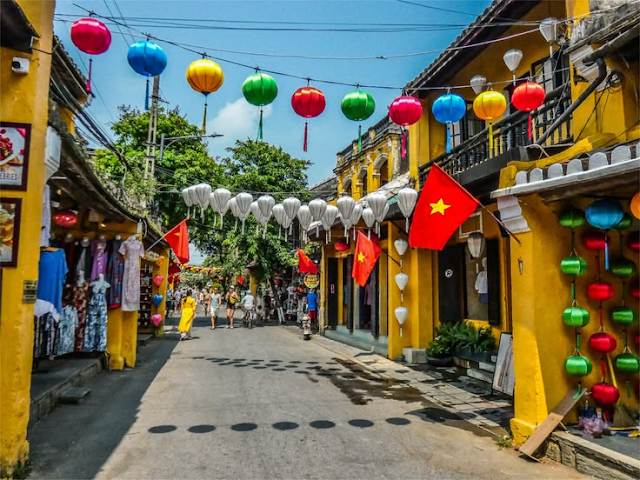

Hoi An Ancient Town is one of the most charming destinations in Central Vietnam. Famous for its yellow-painted buildings, colorful lanterns, historic merchant houses, and peaceful riverside scenery, Hoi An offers a unique blend of history, culture, architecture, and local cuisine.
Whether you are visiting Vietnam for the first time, planning a romantic getaway, or exploring the region from Da Nang, Hoi An is a destination worth adding to your travel itinerary.
But what makes Hoi An Ancient Town so beautiful, and what should you experience during your visit?
From walking through lantern-lit streets to tasting traditional Vietnamese dishes, here are 12 unforgettable experiences in Hoi An Ancient Town to help you make the most of your trip.
1. Visit the Japanese Covered Bridge
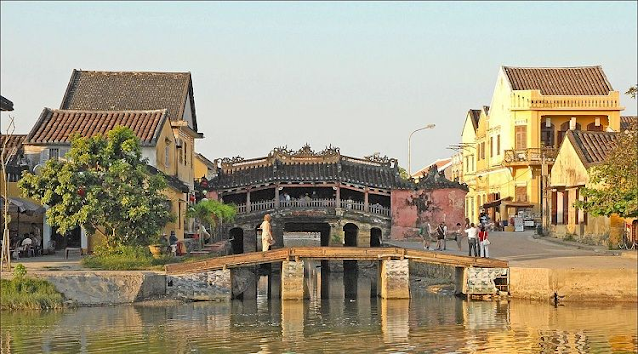
The Japanese Covered Bridge, locally known as Chua Cau, is one of Hoi An's most recognizable historical landmarks.
Built during the period when Hoi An was an important international trading port, the bridge reflects the cultural influences that shaped the town over centuries. Its distinctive wooden structure and traditional architectural details make it an essential stop for visitors interested in local history.
Take your time to admire the surrounding streets, explore the nearby historic buildings, and appreciate the atmosphere of this remarkable heritage destination.
Travel tip: Visit early in the morning if you prefer a quieter atmosphere for sightseeing and photography. Check current access arrangements before your trip, as restoration work or visitor regulations may affect entry.
2. Explore Hoi An's Lantern-Lit Streets at Night
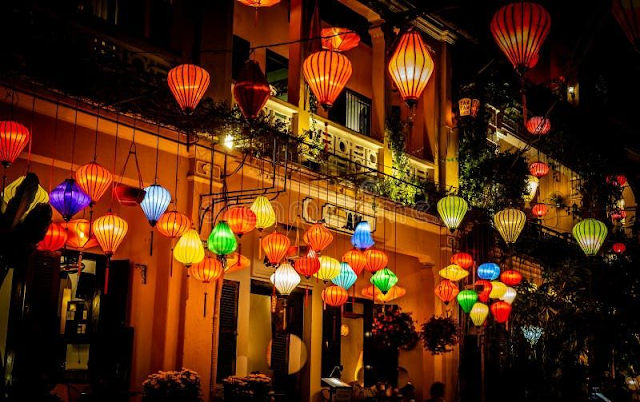
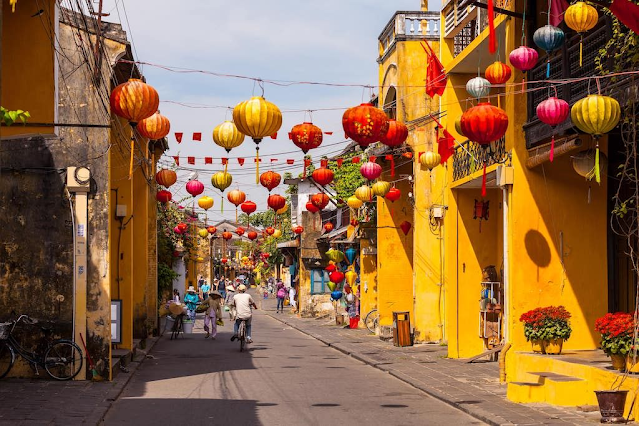
Hoi An becomes especially enchanting after sunset, when colorful lanterns illuminate its historic streets and riverside walkways.
The warm glow of the lanterns creates a memorable atmosphere that makes evening strolls one of the best things to do in Hoi An. Visitors can browse souvenir shops, enjoy local street food, or simply admire the traditional architecture under the night sky.
The experience is particularly appealing to couples, families, and travelers who enjoy discovering destinations at a relaxed pace.
Travel tip: Allow enough time to explore on foot rather than rushing between attractions. Comfortable shoes will make it easier to navigate the old town's pedestrian areas.
3. Take a Boat Ride on the Hoai River
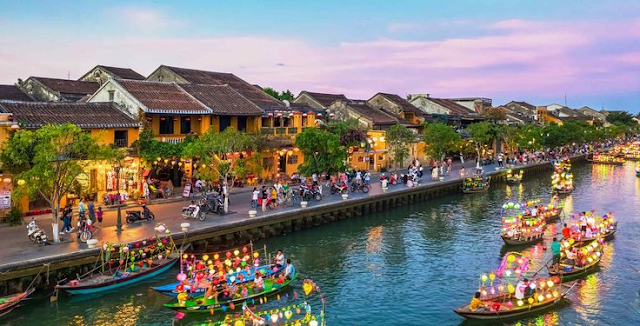
A boat ride on the Hoai River offers a different perspective of Hoi An Ancient Town.
As you travel along the water, you can admire historic buildings, glowing lanterns, and the reflections of the riverside lights. The peaceful scenery creates a relaxing break from walking through the busy streets.
Some boat experiences also include releasing floating flower lanterns, a popular activity associated with Hoi An's evening atmosphere.
Availability, prices, and operating conditions may vary, particularly during busy periods or when river conditions are unfavorable.
Travel tip: Ask the operator about the price and duration before boarding, and follow local safety instructions throughout the trip.
4. Take Photos Along the Yellow-Walled Streets
One of the most distinctive features of Hoi An is its collection of yellow-painted buildings, wooden doors, traditional shopfronts, and narrow streets.
These architectural details create a beautiful setting for travel photography. Even a simple walk through the old town can reveal attractive corners, colorful lanterns, flowering plants, and charming historic facades.
Rather than visiting only the most popular photo spots, take time to explore smaller streets and appreciate the details that make Hoi An unique.
Travel tip: Early morning often provides softer natural light and fewer crowds. Always respect private property and avoid blocking entrances when taking photos.
5. Try Authentic Cao Lau Noodles
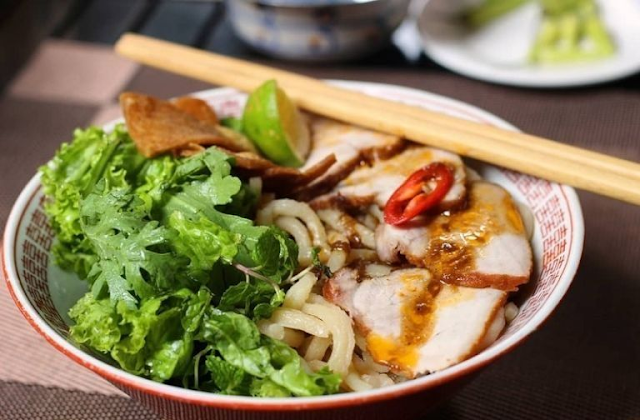
No trip to Hoi An is complete without tasting its famous local cuisine. One dish you should look for is cao lau, a regional noodle specialty closely associated with the town.
Cao lau typically features thick noodles, slices of pork, fresh herbs, and crispy toppings, served with a small amount of flavorful broth or sauce.
Its distinctive texture and combination of ingredients make it different from many other Vietnamese noodle dishes.
You can find cao lau at traditional eateries, local restaurants, and food stalls throughout the area.
Travel tip: Try the dish at a well-reviewed local restaurant and ask about portion sizes if you plan to sample several regional specialties during your visit.
6. Enjoy Hoi An Banh Mi
Banh mi is another must-try food when exploring Hoi An.
This Vietnamese sandwich usually combines a crisp baguette with ingredients such as grilled or roasted meat, pâté, pickled vegetables, fresh herbs, and savory sauces. Different vendors offer their own combinations, making it easy to find a version that suits your taste.
Banh mi is convenient for travelers who want a quick meal between sightseeing stops without missing out on local flavors.
Travel tip: Visit busy food stalls with good food-handling practices, and let the vendor know if you have allergies or dietary restrictions.

7. Discover Hoi An's Historic Merchant Houses
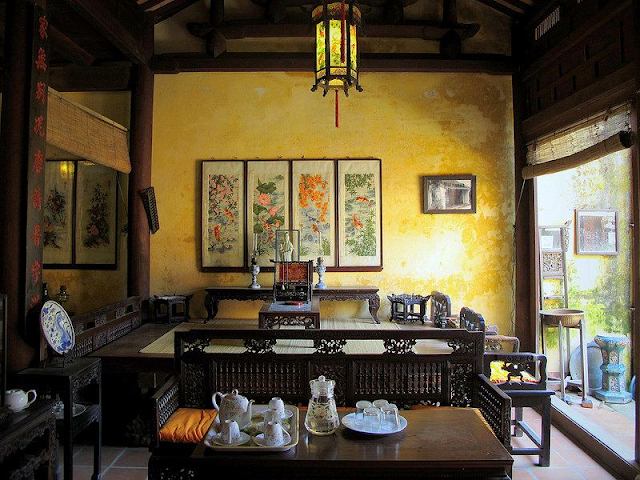
Hoi An's historic houses offer a glimpse into the town's past as a trading port connecting Vietnamese, Chinese, Japanese, and other international merchants.
Many traditional houses feature wooden interiors, courtyards, tiled roofs, and architectural details that reflect a blend of cultural influences.
Exploring these buildings helps visitors understand how trade, family life, and local traditions shaped the development of Hoi An over generations.
Some historic houses are open to visitors, while others remain private residences or operate as businesses.
Travel tip: Check opening arrangements and any applicable entrance requirements before visiting individual heritage buildings.
8. Explore Hoi An Central Market
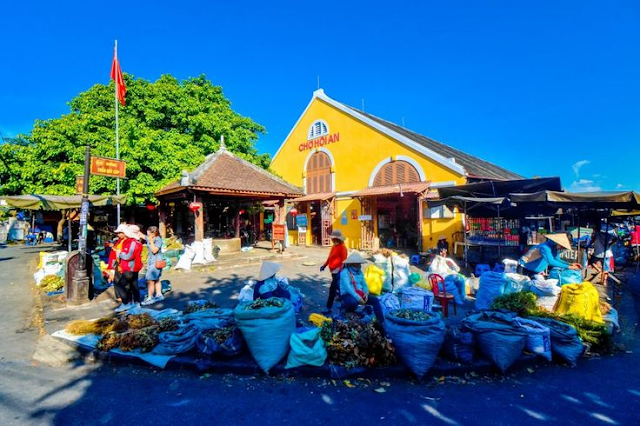
Hoi An Central Market is a lively place to discover everyday local life, regional ingredients, Vietnamese snacks, and traditional products.
Walking through the market allows you to observe how residents shop, sample local specialties, and find souvenirs to take home.
Depending on the stalls available, you may encounter fresh produce, herbs, spices, prepared foods, and locally made goods.
The market is also a useful stop for travelers who want to explore Hoi An beyond its best-known historic streets.
Travel tip: Visit earlier in the day for a more active market atmosphere. Ask about prices before purchasing and carry cash for small transactions.
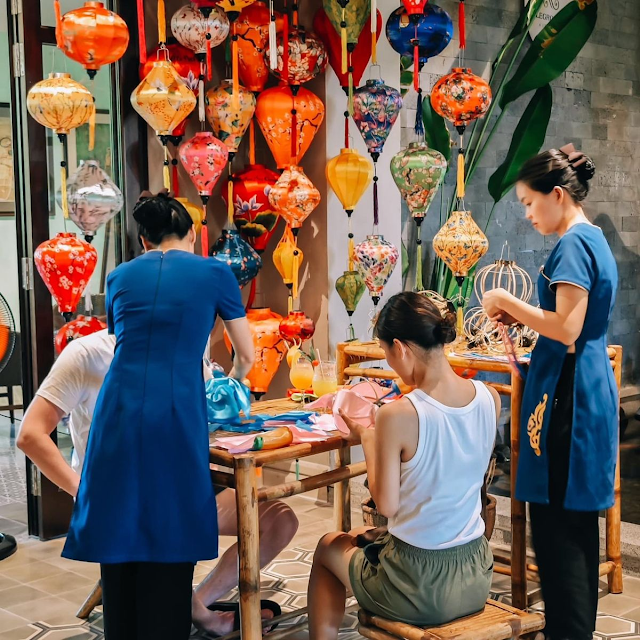
9. Join a Traditional Lantern-Making Workshop
Lanterns are among the most recognizable symbols of Hoi An, and learning how they are made can add a cultural dimension to your visit.
A lantern-making workshop may introduce you to the materials, frames, fabric, and techniques used to create these decorative objects. Depending on the class, you may have the opportunity to assemble and decorate your own lantern.
This experience is suitable for travelers who enjoy traditional crafts and want to take home a meaningful souvenir.
Travel tip: Book a workshop in advance during busy travel periods, and check what the fee includes before confirming your reservation.
10. Relax at a Riverside Café
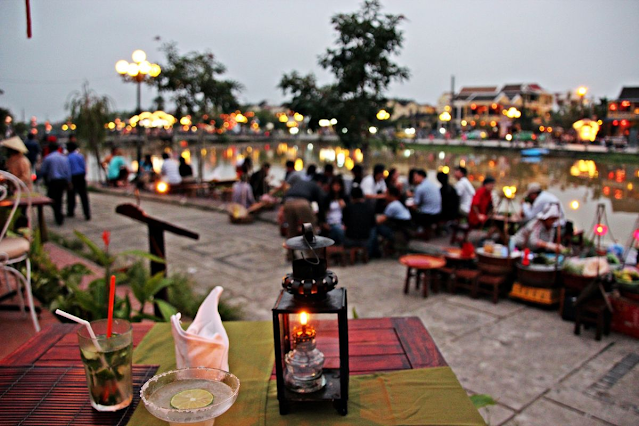
After spending time exploring the old town, take a break at a café overlooking the Hoai River or one of Hoi An's historic streets.
Many cafés offer views of traditional buildings, passing boats, and the daily rhythm of the town. It is a wonderful opportunity to slow down, enjoy Vietnamese coffee, and observe the surroundings.
Depending on your preference, you can choose a quiet morning coffee, a shaded afternoon break, or an evening visit when the lanterns begin to glow.
Travel tip: If you want a riverside table with a good view, consider arriving before the busiest evening hours.
11. Experience Hoi An's Traditional Culture
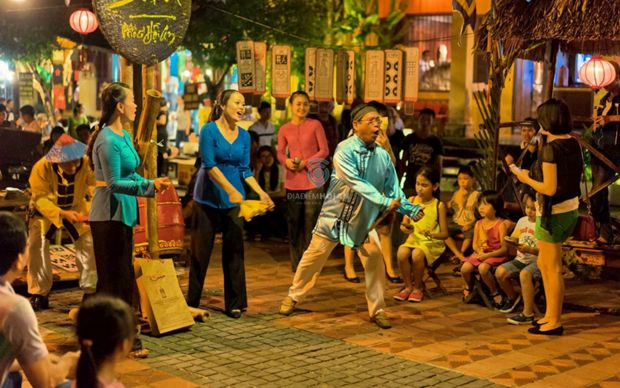
Hoi An is more than a picturesque destination. Its cultural heritage is reflected in traditional architecture, local crafts, community celebrations, and performing arts.
Depending on the schedule, visitors may encounter folk music, traditional games, cultural demonstrations, or other activities in and around the old town.
These experiences provide a deeper understanding of the traditions and community life that continue to shape the destination.
Hoi An's Ancient Town was recognized as a UNESCO World Heritage Site in 1999, highlighting its significance as a well-preserved historic trading port.
Travel tip: Check local event schedules before your visit because performances and cultural activities may take place only at certain times.
12. Explore the Countryside Around Hoi An
If you have extra time, consider exploring the areas beyond Hoi An Ancient Town.
The surrounding region offers a different atmosphere, with rural landscapes, local craft communities, waterways, and opportunities to learn about traditional livelihoods.
Cam Thanh is known for its water coconut scenery and basket-boat experiences, while nearby craft villages can introduce visitors to local production methods and long-standing traditions.
These excursions are a good option for travelers who want to combine historic sightseeing with nature and community-based experiences.
Travel tip: Confirm the itinerary, transportation arrangements, and total cost before booking a tour. Choose responsible operators that respect local communities and the natural environment.

Best Time to Visit Hoi An Ancient Town
The best time to visit Hoi An depends on your preferred weather and travel activities.
The period from approximately February to April is often considered a pleasant time for sightseeing, with relatively comfortable conditions. May to August can be hot, so outdoor activities may be more enjoyable in the morning or late afternoon.
September to January can bring heavier rainfall and occasional flooding. Weather conditions vary from year to year, so check the forecast before traveling.
If you want to experience Hoi An after dark, plan to stay into the evening to see the lanterns and riverside scenery. If you prefer quieter streets, start exploring early in the morning.
How to Get to Hoi An from Da Nang
Hoi An is located south of Da Nang and is a popular day-trip destination for visitors staying in the city.
You can travel between Da Nang and Hoi An by private car, taxi, ride-hailing service, motorbike, or suitable bus connections, depending on availability.
The journey commonly takes around 45 minutes to an hour by car, although traffic and your starting point can affect travel time.
If you plan to visit several attractions in one day, allow enough time for transportation, meals, and walking around the historic center.
Travel tip: If you want to explore Hoi An at a relaxed pace, consider spending an afternoon and evening in the old town rather than limiting your visit to a short stop.
Frequently Asked Questions About Hoi An Ancient Town
Is Hoi An Ancient Town worth visiting?
Yes. Hoi An is an appealing destination for travelers interested in history, architecture, Vietnamese cuisine, traditional crafts, and scenic streets. Its combination of cultural attractions and relaxed atmosphere makes it suitable for couples, families, and independent travelers.
How many days do you need in Hoi An?
One day is enough to see several major attractions and experience the town in the evening. Two days or more allow additional time for cooking classes, craft workshops, nearby villages, beaches, and countryside excursions.
What is Hoi An famous for?
Hoi An is famous for its historic trading-port architecture, yellow-painted buildings, colorful lanterns, Japanese Covered Bridge, traditional crafts, cao lau noodles, and vibrant evening atmosphere.
Is Hoi An beautiful at night?
Yes. The lantern-lit streets and reflections along the Hoai River create a distinctive evening atmosphere. Nighttime is one of the most popular periods for strolling, dining, and taking photographs.
Can you visit Hoi An from Da Nang in one day?
Yes. Hoi An is close enough to Da Nang for a day trip. However, staying into the evening allows you to experience the old town after the lanterns are illuminated.
Final Thoughts
Hoi An Ancient Town offers much more than beautiful streets and colorful lanterns. Its historic merchant houses, local food, traditional crafts, riverside scenery, and cultural experiences make it a destination with something for many different types of travelers.
Whether you spend your time exploring the Japanese Covered Bridge, tasting cao lau, joining a lantern-making workshop, or taking a peaceful boat ride, each experience offers another way to appreciate this remarkable part of Central Vietnam.
If you are planning a trip to Da Nang, consider adding Hoi An to your itinerary and allowing enough time to discover the town at your own pace.